
Before the wedding day itself, before the dress and the vows and the first dance, there is a night that belongs almost entirely to the bride and the women around her. It goes by different names depending on where your family is from, laylat al henna, the henna night, the mehndi night, but the heart of it is the same everywhere: henna painted onto the hands, music that gets everyone up dancing, and a room full of people who love the bride, together one last time before she becomes someone's wife.
If you are planning your own, or helping a sister or a close friend plan hers, this guide walks through what the night means, the pieces that make it up, and a timeline you can actually use. Every family does this a little differently, so treat the specifics here as a starting point, not a rulebook, and lean on what your own mother, aunts, or grandmother remember from theirs.
The short version
- A henna night celebrates the bride the night before, or a few nights before, her wedding, with henna, music, and her closest circle around her.
- The henna itself carries meaning: blessing, protection, and joy, applied by a henna artist in patterns that can take anywhere from twenty minutes to a few hours.
- Green and gold are the classic colour pairing, though families choose whatever suits the bride, and the dress is usually a caftan or a similarly festive traditional piece.
- The evening has a natural shape: arrival and henna application, a procession or grand entrance for the bride, dancing, and food, roughly in that order.
- Some henna nights are women-only, others welcome the groom's family or close male relatives for part of the evening. Both are completely normal, and it comes down to what your family prefers.
- You can set up a henna night as its own event in Laylaty, with an invitation your guests can read and reply to in Arabic.
What a henna night is, and what it means
A henna night is a celebration held in the days before a wedding, most often the night just before, where the bride has henna applied to her hands and feet while her family and closest friends gather to celebrate her. In Arabic it is usually called laylat al henna, the night of henna, and you will also hear it called a henna party or, in South Asian traditions that share the same root custom, a mehndi night.
The custom runs deep. Henna has been used across the Arab world, North Africa, and beyond for centuries as more than decoration. Applying it before a wedding is understood as a wish for blessing, protection, and good fortune on the marriage ahead, and the night itself is a chance for the women who raised the bride, mother, aunts, sisters, and closest friends, to sit with her one more time before her life changes. It is warmer and less formal than the wedding day, and often the night everyone remembers most fondly.
Some families hold the henna night just for the bride. Others include a smaller henna moment for the groom too, a touch on his palm or a finger, though the evening usually still centres on her. If your family does it differently, that is completely normal. This is a tradition that travels through generations by word of mouth as much as by any fixed rule, so it looks a little different in every household.
The henna itself
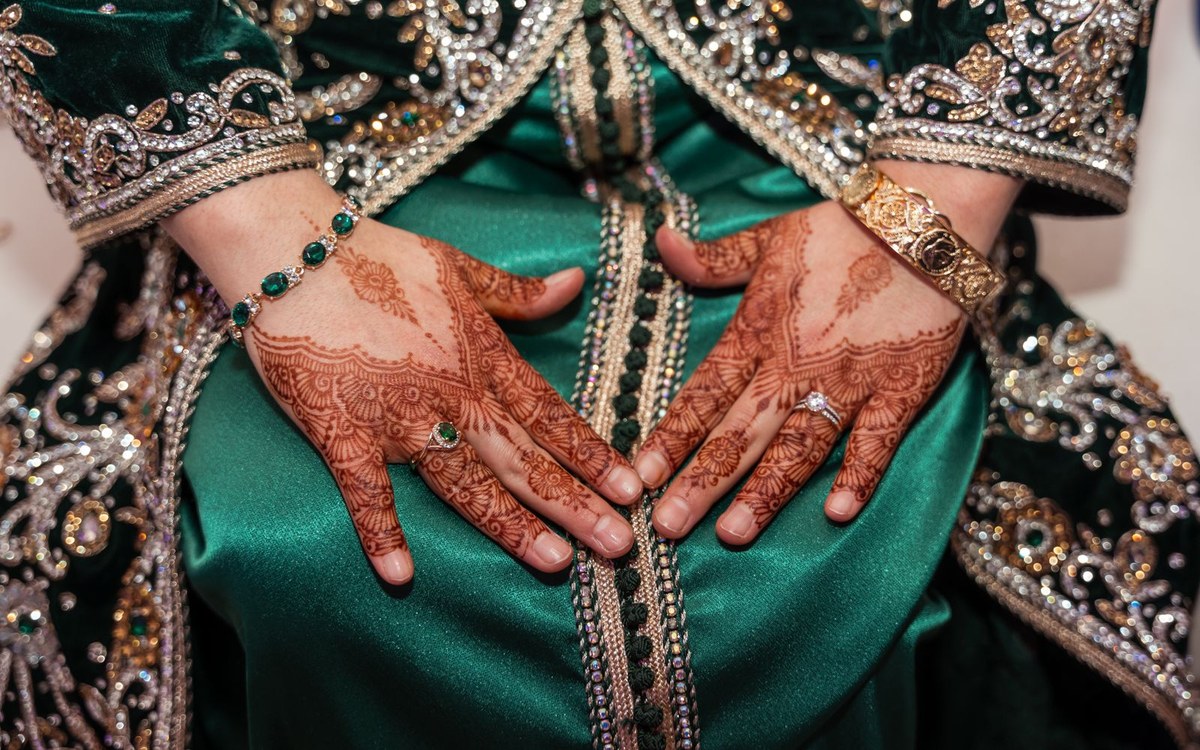
Henna is a dye made from the dried, ground leaves of the henna plant, mixed into a paste and applied to the skin, where it stains a deep reddish brown that fades naturally over one to three weeks. A henna artist, sometimes called a naqasha, applies it in fine, deliberate patterns, florals, paisleys, geometric lines, sometimes the couple's initials worked in somewhere, using a cone or a fine applicator.
For the bride, henna usually covers both hands, often up to the wrist or further up the forearm, and sometimes the feet as well. A detailed design can take anywhere from twenty minutes for something simple to two or three hours for full, intricate coverage, so if the bride is having elaborate henna done, build real time into your evening for it, and give her a comfortable seat where guests can visit her while she waits for the paste to dry.
Tip
Book your henna artist for the timing of your actual event rather than a fixed slot, elaborate bridal henna genuinely can run long, and you do not want your artist rushing the bride's design to make way for the next booking.
A darker, longer-lasting stain generally comes from natural, plant-based henna paste rather than the black "instant" cones sold for quick temporary tattoos, which use different, harsher ingredients and are worth avoiding on skin, especially for anyone with sensitivities. Ask your artist what they use, and if guests want henna too, most artists are happy to do smaller designs for them once the bride's is underway.
The dress and the colours
Green and gold is the classic henna night pairing across much of the Arab world, green for the henna leaf itself and the freshness of a new beginning, gold for celebration. You will also see families lean into deep red, mustard yellow, or jewel tones like emerald and sapphire, and plenty of brides simply choose whatever colour makes them feel most themselves. There is no single correct palette, only the one that feels right for your family and your night.
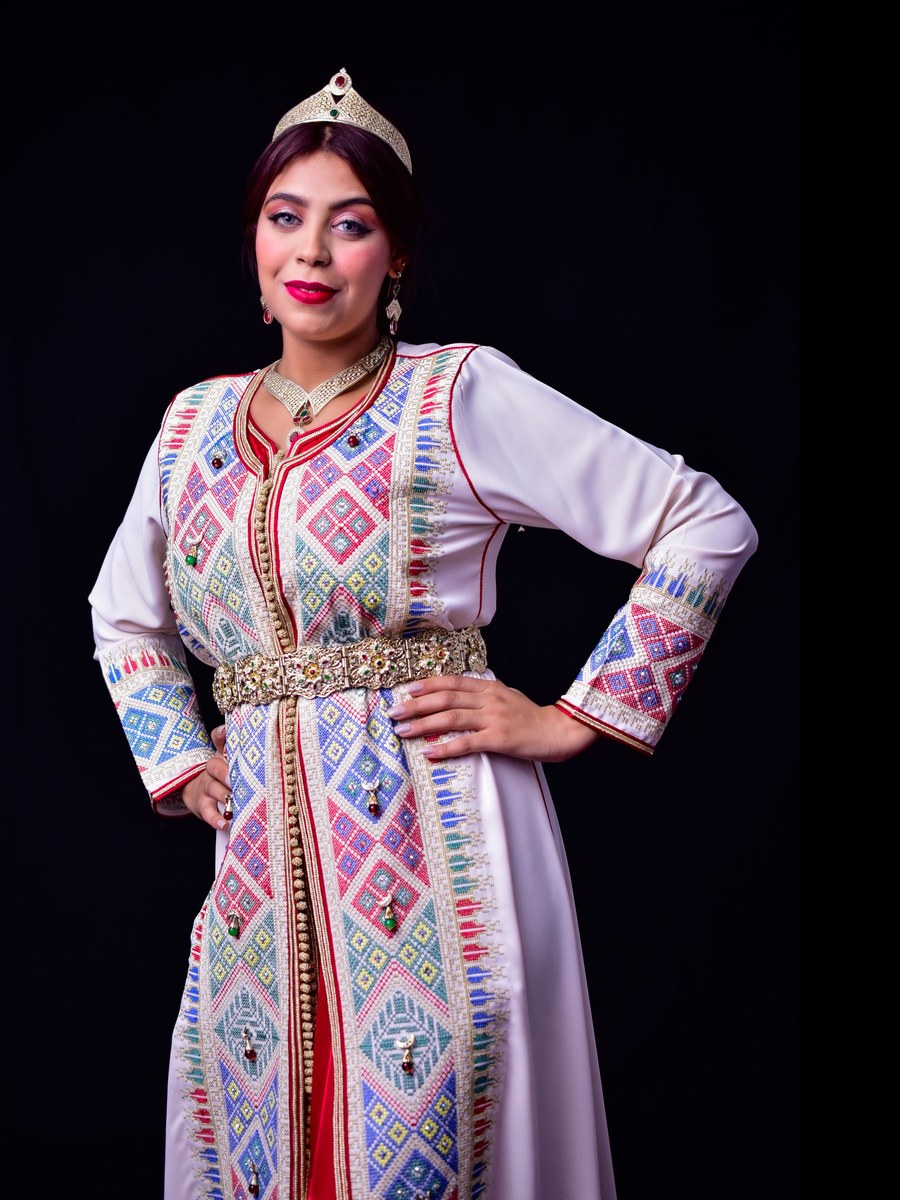
The dress itself is usually a caftan, a takchita, a jalabiya, or another traditional piece with real presence, heavy embroidery, beading, a flowing silhouette that moves beautifully when the bride dances. Many brides change into a second, simpler outfit partway through the night once the dancing gets going, which is worth planning for if your henna design needs long sleeves out of the way while it is still setting. Guests generally dress up too, and a family will often ask guests to lean toward a shared colour so photos come together beautifully, though this is entirely optional.
The music
Music carries a henna night from the first hour to the last, and it tends to shift in mood as the evening goes on. Many families open with a few traditional songs, sometimes performed live with a drum, an oud, or a small band, that mark the bride's entrance and the henna application itself, older songs passed down through the community that everyone in the room already knows the words to. As the night moves toward dancing, the playlist usually opens up into more contemporary Arabic pop and dabke, the line dance that pulls nearly everyone onto the floor at some point, plus whatever mix of regional and international songs your crowd loves to dance to.
Tip
Ask an older relative for a short list of the traditional henna songs your family always plays. They are usually not on the obvious streaming playlists, and having them ready means you are not scrambling to find them the night of.
The food
Henna nights lean toward food you can pick at while standing, chatting, and dancing rather than a formal seated meal, though some families do serve a full dinner depending on the size and style of the night. Sweets are almost always part of it: dates, baklava, kunafa, and other pastries, often paired with Arabic coffee or tea served throughout the evening.
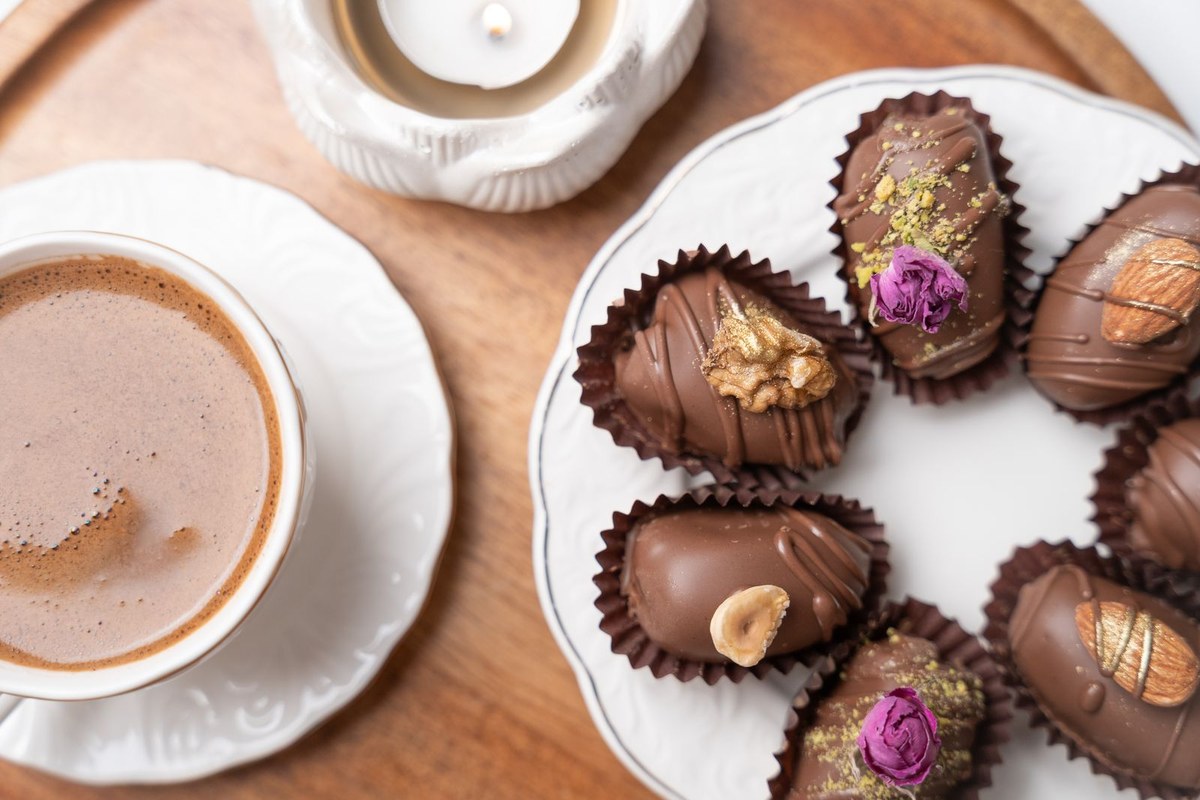
If you are hosting at home, a dessert and coffee table that guests can return to all night works beautifully and takes real pressure off the kitchen. If you would rather serve a full meal, plan it for after the henna application and the bride's entrance, so nobody is juggling a plate while trying to admire her dress.
Setting up the room
Décor for a henna night usually echoes the colours of the dress, lots of green and gold, warm lighting, floor cushions or low seating arranged so guests can gather close together rather than around a distant head table, and a dedicated, comfortable spot for the bride while her henna is done. Candles, patterned textiles, and a decorated tray or bowl for the henna itself are common touches.
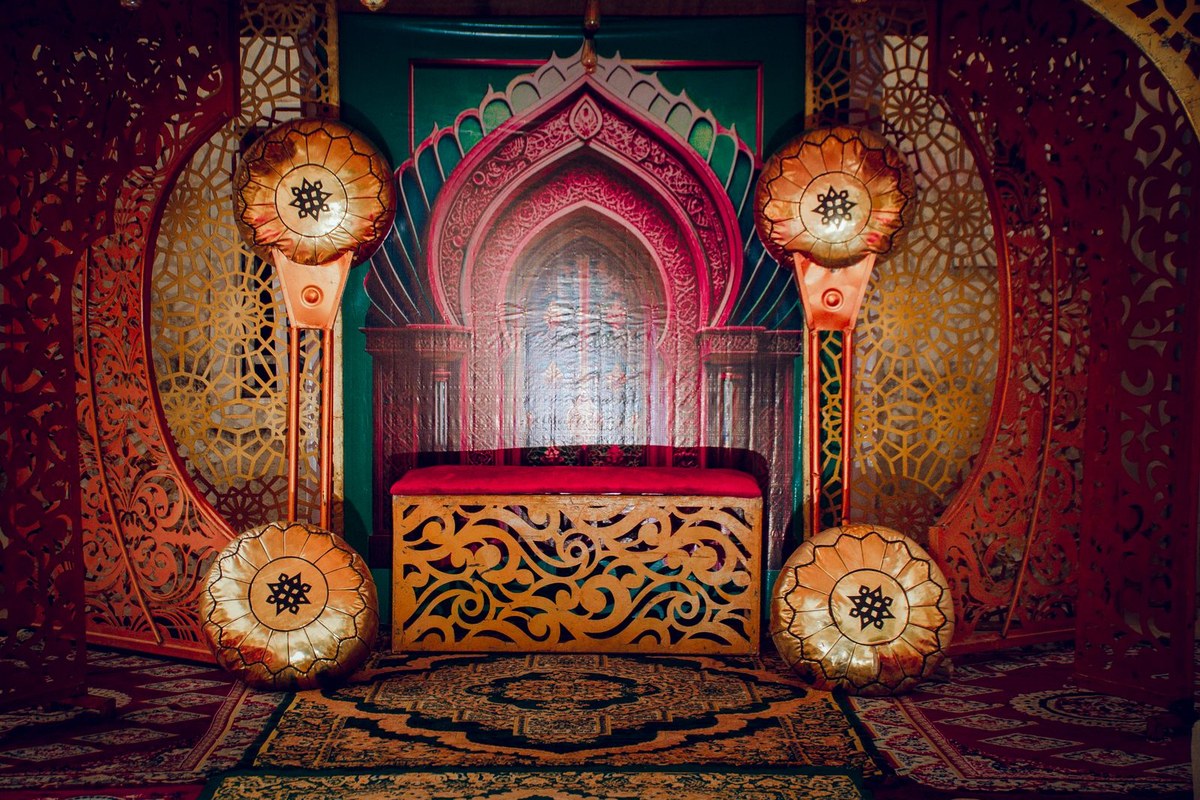
You do not need a professional stylist to get this right. A few metres of patterned fabric, cushions borrowed from around the house, and candles go a long way, and plenty of families host a henna night in a living room and it is remembered as one of the warmest nights of the whole wedding.
A timeline for the evening
Every family's henna night has its own rhythm, but most follow a shape close to this one.
- Guests arrive. Music plays softly, drinks and light bites are out, and the mood is relaxed while everyone gathers.
- The henna artist begins. The bride sits in her dedicated spot while her design is applied. This is often the longest single stretch of the night, so keep guests entertained nearby, not waiting around her in silence.
- The bride's entrance, or a second, grander entrance once her henna is set. Some families time a formal procession, sometimes with candles or a decorated tray, for this moment, with the traditional songs playing.
- Dancing opens up, moving from traditional songs into a broader mix, with the bride, and often the groom if he is present for this part, at the centre of it.
- Food and sweets continue throughout, with a natural lull for a fuller meal if you are serving one.
- The night winds down with more dancing, photos, and, in many families, a last quieter moment with the bride before everyone heads home.
Treat this as a loose shape rather than a schedule with fixed times. The best henna nights breathe a little and let the room's energy decide when to move from one part to the next.
Women-only or mixed: what to consider
Many henna nights are women-only for most or all of the evening, which lets the dress code, the dancing, and the mood loosen up in a way that feels different from the wedding day itself. Other families include the groom, his family, or close male relatives for part of the night, often for the henna application and the entrance, with the rest staying women-only, or they simply keep the whole evening mixed from the start.
There is no single right answer here. It depends on your family's customs, your own comfort, and what the bride wants for her own night. If you are unsure, ask the bride directly what she would prefer, and be clear about it on the invitation itself so guests know what to expect and can plan their outfits and their evening accordingly.
Setting it up in Laylaty
Once you know roughly what your night looks like, you can set it up as its own event. Henna Night is a real, named event type in Laylaty, sitting alongside the wedding, the engagement, the nikah, and the zaffa as one of the celebrations built into the wedding category, so it is not something you have to force into a generic template.
To start, give the event a name, usually the bride's name works well, choose Wedding as the celebration type, and pick Henna Night from the specific type list underneath.
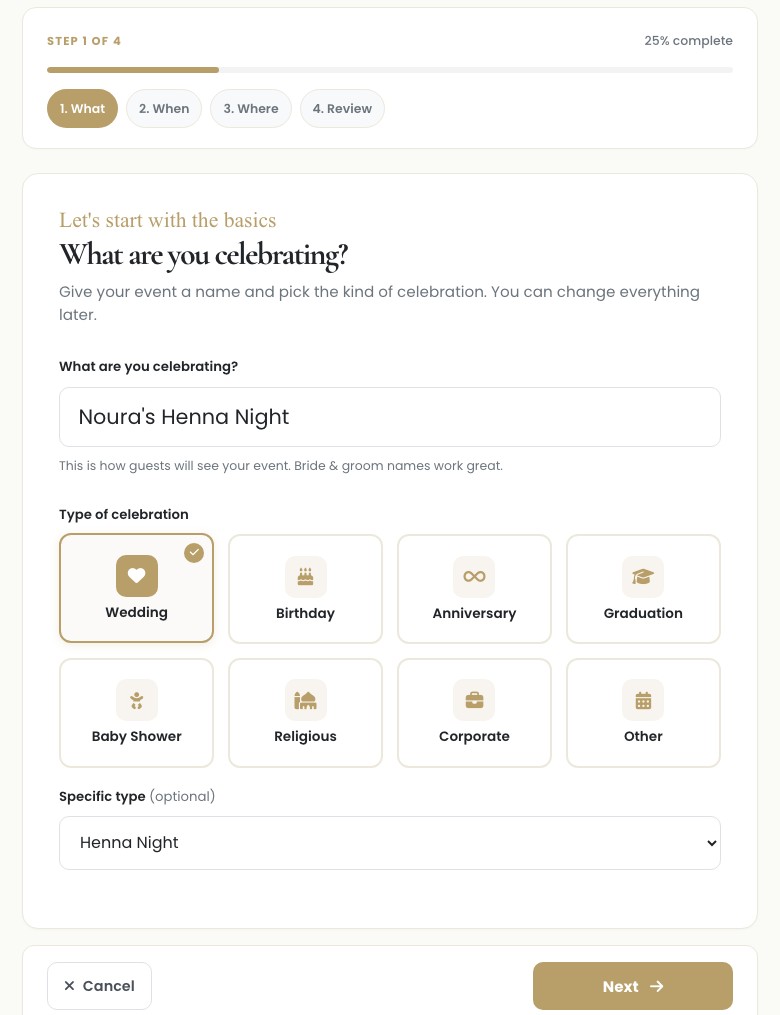
From there it works like any Laylaty event: build your guest list, create invitations, and set an RSVP so you know who is actually coming, which matters as much for a henna night as it does for the wedding itself, especially if you are catering food or booking a henna artist who needs a headcount.
Laylaty supports Arabic throughout, so your guests can read and reply to their invitation right to left, in Arabic, alongside English, French, and six other languages, whichever your guest list needs.
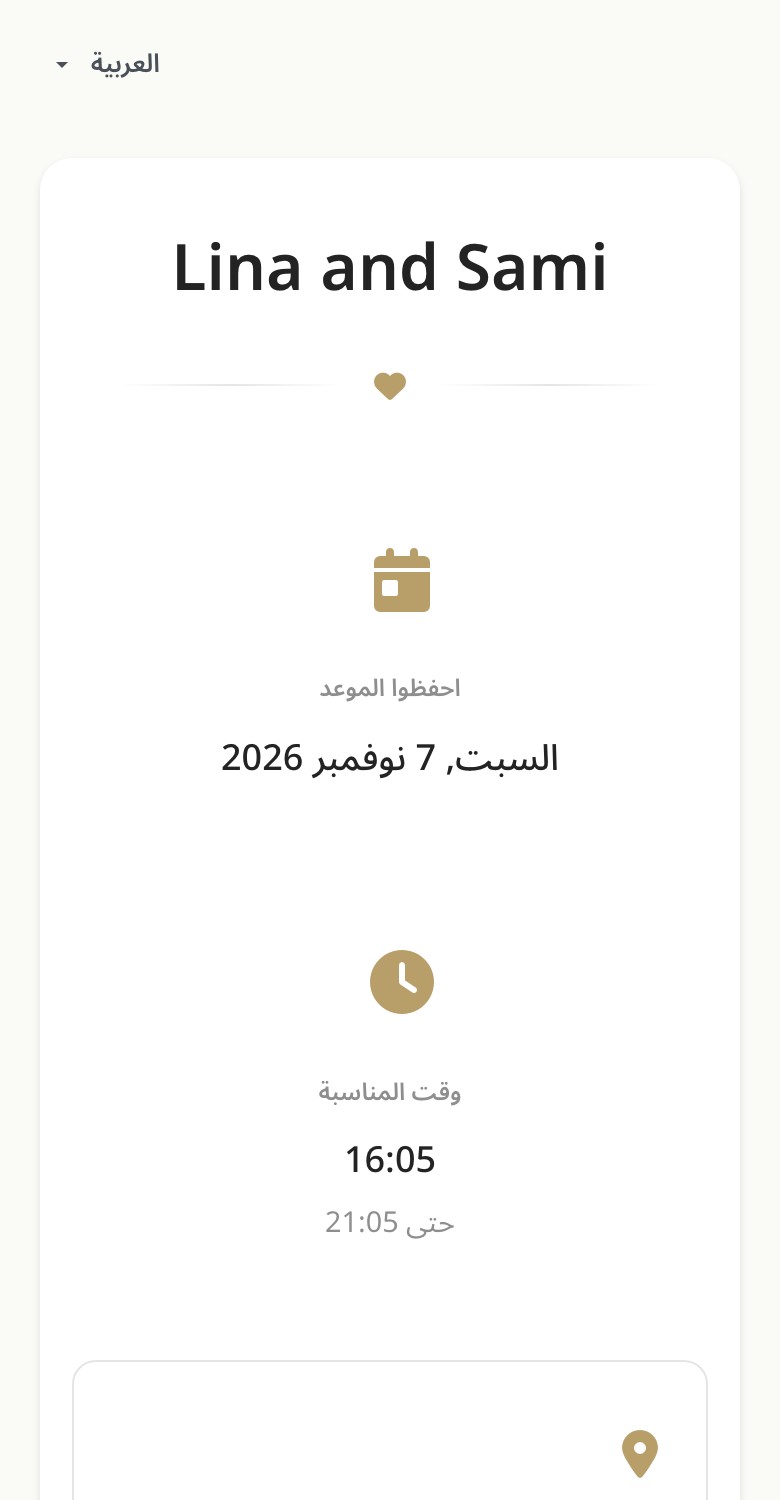
If you want a designed invitation card too, a beautiful image with the bride's name, the date, and a QR code guests can scan straight to their RSVP, that is available as an optional add-on, generated in English, Arabic, or French, ready to send on WhatsApp or print for the relatives who prefer paper.
Tip
If your henna night and your wedding have different guest lists, and most families invite a smaller, closer circle to the henna night, set them up as two separate Laylaty events. Each gets its own clean guest list and RSVP count, so nobody ends up on the wrong invitation.
Make it your own
A few of the dials worth knowing about as you set the event up:
- The event name, most families use the bride's name, though some use both names or a family nickname for the night.
- The languages you offer, so every guest, from a grandmother who reads only Arabic to a cousin who reads only English, gets an invitation they can actually read.
- An RSVP deadline, so you know your headcount in time to confirm numbers with your henna artist and caterer.
- The designed invitation card, its language and design, if you want a keepsake image alongside the digital invitation.
- Personal links or one shareable link, depending on how the guest list for this particular night is shaping up.
Frequently asked questions
What is a henna night called in Arabic?
It is usually called laylat al henna, meaning the night of henna. You will also hear henna night and henna party used interchangeably, and mehndi night in South Asian traditions that share the same root custom.
How long does henna last?
A well-applied, natural henna stain typically lasts one to three weeks, gradually fading as the skin renews itself. It fades faster on hands, which are washed and touched often, and lasts longer on less-exposed skin.
Do I need to book a professional henna artist?
For the bride's design, most families do, since a detailed bridal pattern takes real skill and a steady hand over a long sitting. For guests who want a smaller design, a professional artist can usually fit them in once the bride's henna is underway.
Can men attend a henna night?
Yes, in some families. Many henna nights are women-only, but plenty of others include the groom, his family, or close male relatives for part or all of the evening. It comes down entirely to what your family and the bride prefer, so decide early and let guests know on the invitation.
Can I send my henna night invitation in Arabic?
Yes. Laylaty invitations can be shown to each guest in their own language, including Arabic, laid out correctly right to left, alongside English, French, and the platform's other supported languages.
Ready to plan your own henna night?
Create your henna night as its own event, build your guest list, and send an invitation every relative can read in their own language.