
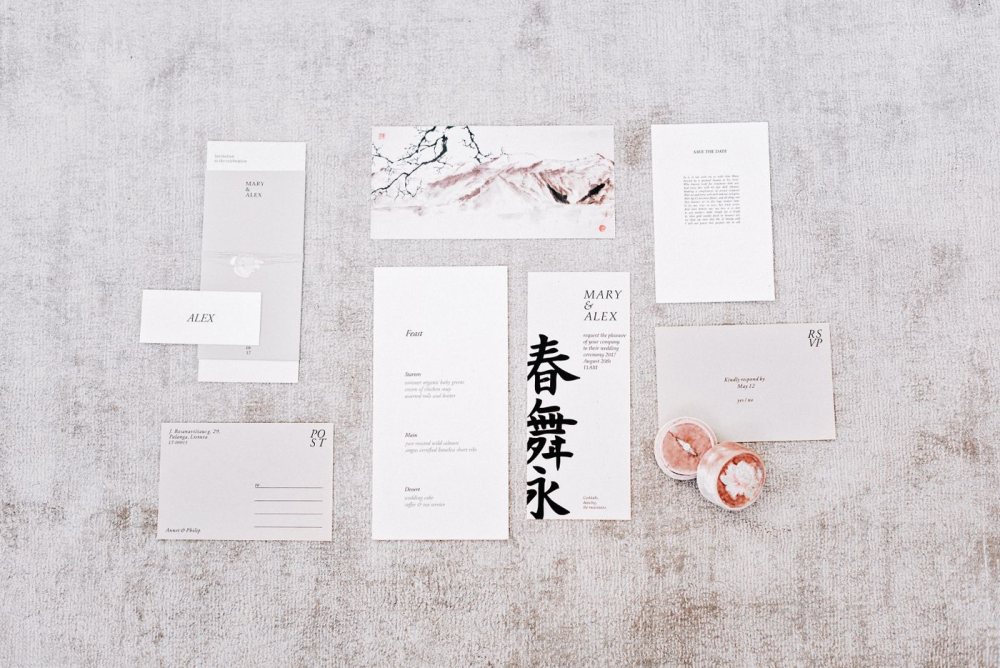
There is a moment, usually early in the planning, when you sit down to decide how your guests will actually hear about the wedding. You picture the thick cream envelope arriving on a relative's doorstep, and it feels right, it feels proper. Then you price out the printing, the postage, the little RSVP cards with their own tiny stamps, and you start wondering whether there is a simpler way. And underneath all of it sits the real worry: however you send them, will you actually know who is coming?
This is not a piece that tells you paper is dead. It is not. A beautifully printed invitation is a keepsake, and for some families it is the only version of "official" that counts. What this piece tries to do is lay both options side by side, fairly, so you can see what each one is genuinely good at, what each one costs you in money and in effort, and why most couples end up doing a little of both.
We make a digital invitation and RSVP tool, so read this for what it is: honest, not neutral. Where digital wins we will say so plainly, and where paper wins we will say that just as plainly.
The short version
- Paper is a keepsake. It is tactile, formal, and lovely to hold, and some relatives simply take it more seriously than a link.
- Digital is a headcount you can trust. Replies, plus-ones, and dietary needs all land in one place, updating as guests answer.
- Cost works differently. Paper is priced per card, so it climbs with your guest list. Digital on Laylaty is priced per event, not per guest and not as a monthly subscription.
- Language is where digital pulls ahead. A digital invitation can be shown in each guest's own language, including Arabic laid out right to left. Paper is fixed in whatever you printed.
- Most couples do both. Send digital to the guests who live on their phones, and print a few beautiful cards, each with a QR code, for the relatives who prefer paper.
First, paper's real due
It would be easy, and unfair, to skip past what paper does well. So let us give it its proper moment.
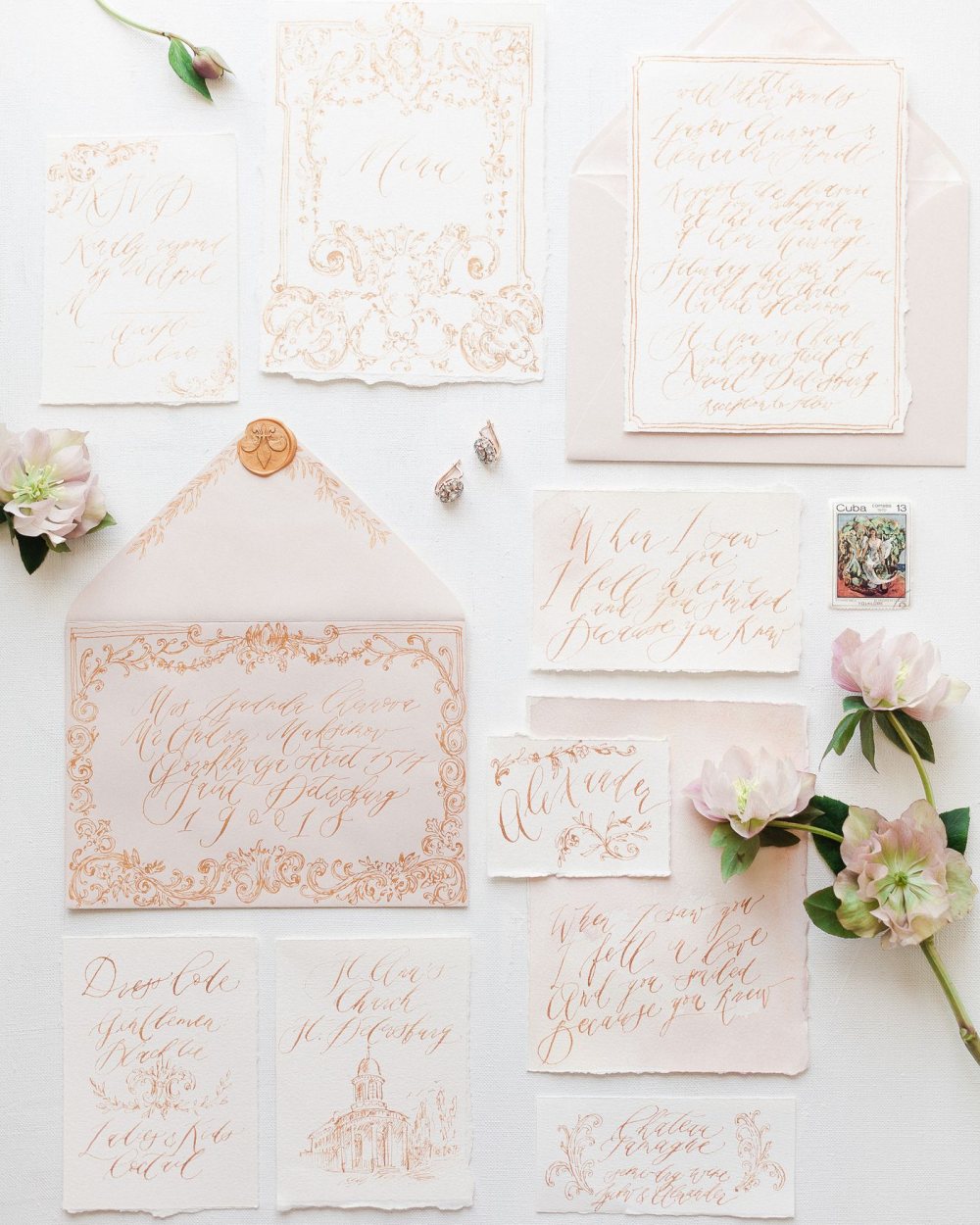
It is a keepsake. A card can be kept in a drawer, pressed in a book, or framed years later. It is a physical object from one of the biggest days of your life, and a link on a phone is not. For a lot of couples, and a lot of mothers, that alone settles it.
It reads as formal. There is a signal in a printed invitation that a message cannot quite send. The effort is visible. Some guests, older relatives especially, genuinely register a printed card as "the real one" and a WhatsApp link as something less official. One bride described her older relatives asking, gently, when to expect their invitation, long after the digital one had gone out, because to them the message did not count.
It is tactile and beautiful. Thick paper, letterpress, a ribbon, a wax seal. These are pleasures a screen cannot reproduce. If the look and feel of the stationery is part of the joy for you, that is a completely valid reason to print.
So paper is not the lazy choice or the old-fashioned choice. It is the keepsake choice, and it is a real one.
Where paper quietly costs you
The beauty is real, but so is the admin. Paper cannot track a reply. Every "yes" comes back as a card in the post, a text, or a word passed through a relative, and you are the one keeping the tally. Reprints for a wording change are slow and expensive, and the cost scales with every guest you add.
Where digital genuinely wins
Digital's strength is not that it is prettier than paper, because that is a matter of taste. Its strength is everything that happens after the invitation arrives.
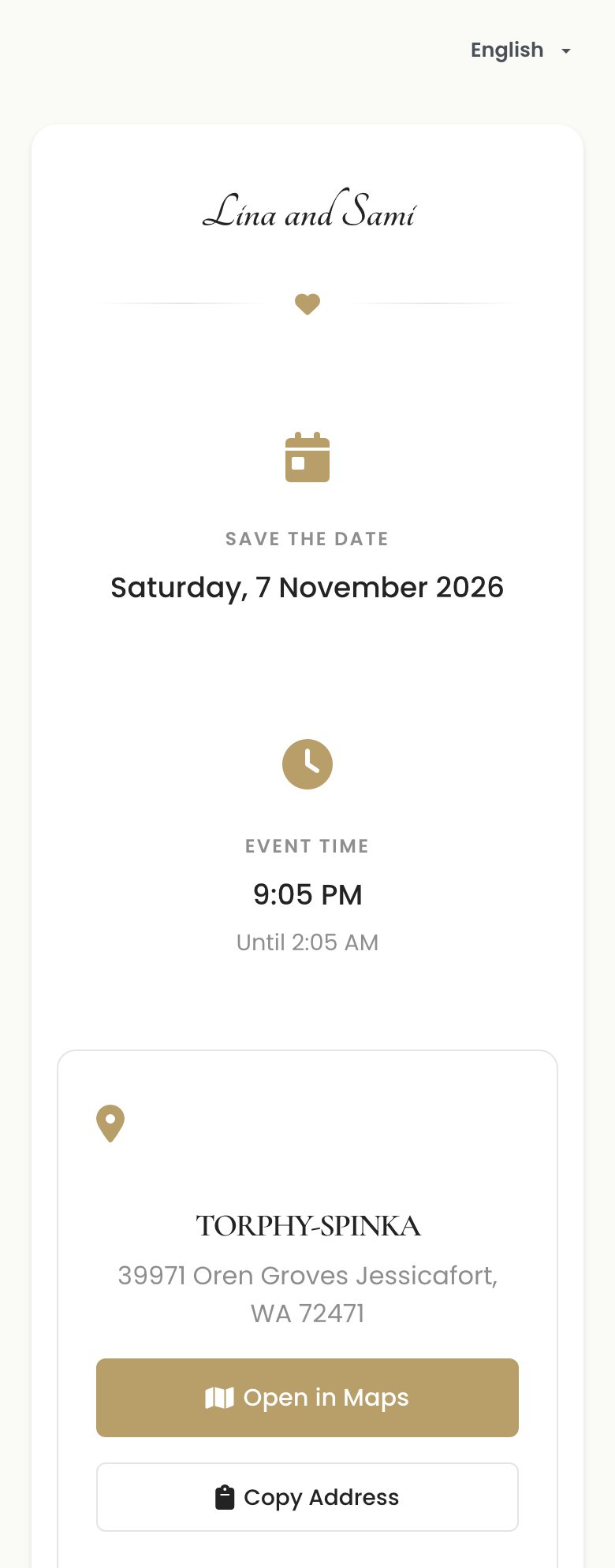
You can actually trust the headcount. This is the big one. Instead of chasing replies across texts, emails, and half-remembered conversations, every response lands in one place and the running count updates as guests answer. You can see, at any moment, who is attending, who has declined, and who has not answered yet, and nudge only the people who still owe you a reply.
An RSVP, if the term is new, is simply the guest telling you whether they are coming. It comes from a French phrase meaning "please reply." With paper, that reply is a piece of admin you manage by hand. With digital, it is captured for you the moment the guest taps a button.
Plus-ones and dietary needs come in with the reply. A plus-one is the extra guest someone brings along, a partner, a friend, or a child. On a digital invitation the guest declares their own plus-ones and adds any dietary needs at the same time as they RSVP, so it all arrives together instead of trickling in through separate messages your caterer will later ask you to reconcile.
Every guest can get their own personal link. A personal link is a private link unique to one guest, so their reply is tied to them and a forwarded link cannot let a stranger RSVP into your count. If you would rather keep it casual, there is also a single shareable link that anyone can open, which suits an informal gathering. For a wedding, personal links keep the numbers clean.
It arrives instantly, and it costs the same whether you invite forty guests or four hundred. There is no printing, no postage, no waiting for the post. And the pricing model is different in kind: Laylaty is priced per event, in euros, with VAT added at checkout, not per card and not as a monthly subscription. You are free for a small celebration of up to 40 guests, and paid plans start from €19 per event as your list and features grow. Paper, by contrast, charges you again for every extra card.
It can speak your guests' language. This is the part the big builders tend to get wrong, and it matters more than it sounds.
The language advantage, in plain terms
A Laylaty invitation and its RSVP can be shown in any of nine languages, including Arabic laid out properly right to left, not mirrored or machine-translated. A relative who reads Arabic or French sees the whole invitation, and the reply form, in their own language. A printed card is fixed in whatever you sent to the printer, so a mixed-language guest list usually means printing more than one version, or leaving some guests to guess.
And you can still have the beautiful card. Choosing digital does not mean giving up the designed piece. Laylaty offers a designed invitation card as an add-on for €9, and you can print that same card for the relatives who prefer paper. So the keepsake and the tracking are not a straight either-or.
At a glance: digital vs paper
| What matters | Paper | Digital (Laylaty) |
|---|---|---|
| <strong>Cost model</strong> | Per card, so it climbs with your guest list, plus postage | Per event in EUR, VAT at checkout, not per guest and not a subscription |
| <strong>Delivery</strong> | Days by post, and reprints are slow | Instant, by email, WhatsApp, or a link you send yourself |
| <strong>RSVP tracking</strong> | You tally replies by hand | Attending, pending, and declined update live in one place |
| <strong>Plus-ones & dietary needs</strong> | Collected separately, if at all | Captured with the reply, in one form |
| <strong>Languages</strong> | Fixed to whatever you printed | 9, including native Arabic shown right to left |
| <strong>Keepsake feel</strong> | A physical card to keep, frame, or press | A designed card you can add and print (€9 add-on) |
| <strong>Formality signal</strong> | Reads as the most official to many relatives | Reads as modern and warm when it is done well |
| <strong>Best for</strong> | The keepsake, and the guests who are offline | An accurate headcount and a multilingual guest list |
The hybrid most couples actually choose
Here is the honest ending to this comparison: for most couples it is not a war between the two. It is a sensible split.
Send the digital invitation to everyone who lives on their phone, which, these days, is most of your guest list. They get a proper invitation, not a bare form, they reply in a tap, and their answer, plus-ones, and dietary needs land straight in your count. Then, for the handful of relatives who genuinely prefer paper, or who are not online at all, print a small number of the designed cards, each carrying a QR code.
A QR code, in case it is a new term, is the little square barcode a phone camera can read. On a Laylaty invitation, that code opens the same invitation and RSVP the digital guests use, so even the relative who received a printed card can point their phone at it and reply into the very same list. And if a guest would rather tell you in person, you can simply add their reply yourself. Either way, you end up with one accurate list instead of two half-lists you have to stitch together later.
This is the pattern couples keep reinventing on their own, and it is worth naming: digital for the many, a beautiful printed card for the few, and a single shared count underneath. You get the keepsake where it matters, and the accurate headcount everywhere.
A couple of honest limits to know
Storage for guest photos and videos is finite on every plan, from 1 GB upward, never "unlimited." And the event website and public guest registration are paid features, included from the Essential plan (€19 per event) upward, so the free plan covers invitations, RSVPs, and a guest list for up to 40 guests, not a full public website.
Frequently asked questions
Is a digital wedding invitation tacky?
Not when it is done well, and most couples who worried about this said afterward that they felt reassured once they saw it. The real exception is older relatives who expect a printed card and quietly treat a message as less official. The fix is not to choose one or the other, it is the hybrid: print a few cards for them and let everyone else reply on their phone.
Do my guests need to download an app to reply?
No. They open a link in any browser and reply there, with nothing to install. That matters most for older relatives and anyone on an older phone.
Can I still have a beautiful printed card if I go digital?
Yes. Laylaty offers a designed invitation card as a €9 add-on, and you can print that same card for the guests who prefer paper. The card and the live RSVP tracking work together, so it is not an either-or.
Which is cheaper, digital or paper?
It depends on your guest list. Paper is priced per card, so the cost grows with every guest and every reprint, plus postage. Laylaty is free for up to 40 guests, then priced per event from €19, in euros with VAT at checkout, rather than per guest or as a monthly subscription. For a larger guest list, digital is usually the clear saving.
Can I send the invitation in Arabic or another language?
Yes. A Laylaty invitation and its RSVP form can be shown in nine languages, including Arabic laid out right to left, so guests read the whole thing, and reply, in a language they are comfortable in. A printed card is fixed in whatever you had printed.
What about the relatives who are not online at all?
Print a card with its QR code for them, or add their reply yourself when they tell you in person. Both routes feed the same single guest list, so you never end up managing two counts.
Ready to see what digital looks like?
Create your event free for up to 40 guests, send an invitation everyone can answer in a tap, and print a beautiful card for the relatives who would rather hold one. The keepsake and the accurate headcount do not have to be a choice.