
Key takeaways
- The Nikah is the central religious ceremony of an Islamic wedding, focusing on consent and commitment.
- The Mahr is a fundamental requirement and a beautiful symbol of respect and independence for the bride.
- Planning an Islamic wedding requires coordinating family expectations with personal values.
- Thoughtful digital invitations that support right-to-left Arabic text make communication clearer for elder relatives.
- Event websites provide a central place for guests to understand seating arrangements, photography rules, and dietary options.
- The Walima is a community celebration hosted to announce and share the joy of the marriage.
The Heart of the Islamic Wedding: An Authentic Celebration
An Islamic wedding is a profound celebration of love, faith, and community. At its core, it is about two families coming together to bless a new union. The process is deeply rooted in tradition, yet it allows for personal expression and cultural nuances depending on the background of the couple. The foundation of any Islamic marriage is the Nikah. This is the official religious ceremony where the couple signs the marriage contract. Following the Nikah, the groom's family typically hosts the Walima, which is a joyful feast intended to share the happiness of the marriage with the wider community.
When you begin planning an Islamic wedding, the focus should remain on the intention behind the union. The traditions are designed to foster respect, clarity, and mutual understanding between both parties. While modern celebrations can be elaborate, the core requirements of an Islamic marriage are beautifully simple. You need the consent of both parties, the presence of witnesses, and the agreement on a Mahr. Keeping these foundational elements in mind helps ground the planning process, especially when the logistics of a large event become overwhelming.
Families play a significant role in Islamic weddings. The involvement of parents and elders is a cherished tradition. Their blessings and guidance are sought at every step, from the initial proposal to the final farewell. Managing these family dynamics requires patience and open communication. It is a time of joy, but it can also be a time of adjustment as two different family cultures merge. By centering the planning around shared faith and mutual respect, couples can create a celebration that honors their families while reflecting their own unique bond. Open conversations early in the process prevent misunderstandings later on.
Understanding the Core Traditions and Elements
The Mahr: A Foundation of Mutual Respect
In Islamic marriage traditions, the Mahr is a gift agreed upon and presented by the groom to the bride, becoming her exclusive personal property. It serves as a meaningful symbol of the groom's commitment, honor, and care. The Mahr can take many forms depending on family customs and mutual agreement, ranging from a monetary sum or precious jewelry to property or personal commitments.
Approaching the conversation around the Mahr with mutual respect and openness helps set a positive tone for the marriage. The bride retains full autonomy over her Mahr, reflecting her financial independence. While customs and expectations vary across families and cultural backgrounds, many couples choose a meaningful and manageable amount that honors tradition without placing unnecessary strain on starting their new life together.
The Ceremony Structure: The Nikah
The Nikah is the official marriage ceremony and contract signing, typically officiated by an Imam, a marriage registrar, or a respected community elder. Practices and cultural customs surrounding the ceremony vary across different communities, though the gathering usually begins with a short sermon (Khutbah) offering blessings and reflections on partnership and faith.
During the ceremony, the formal contract is established through the mutual expression of consent (Ijab and Qabul) in the presence of witnesses. Once the agreement is spoken and the contract is signed by the couple and their representatives according to their legal and traditional customs, the union is celebrated. The simplicity and emotional significance of these moments make the Nikah a deeply cherished milestone.
The Walima: Celebrating with Community
The Walima is the wedding feast and reception, customarily hosted to share the happiness of the marriage with extended family, friends, and neighbors. Depending on regional customs and personal preferences, the Walima may range from an intimate home dinner to a lively banquet with hundreds of guests.
In many communities, hospitality and warmth are the guiding principles of the feast. Some families host the Walima immediately following the Nikah, while others hold it on a separate day. Regardless of the scale or format, the gathering provides a joyful space for loved ones to offer congratulations, share a meal, and celebrate the new couple.
Modern Considerations for a Traditional Celebration
As couples plan their weddings today, they often look for ways to honor ancient traditions while accommodating modern realities. This requires thoughtful decision making, particularly regarding the comfort and privacy of the guests.
Separate or Mixed Seating Arrangements
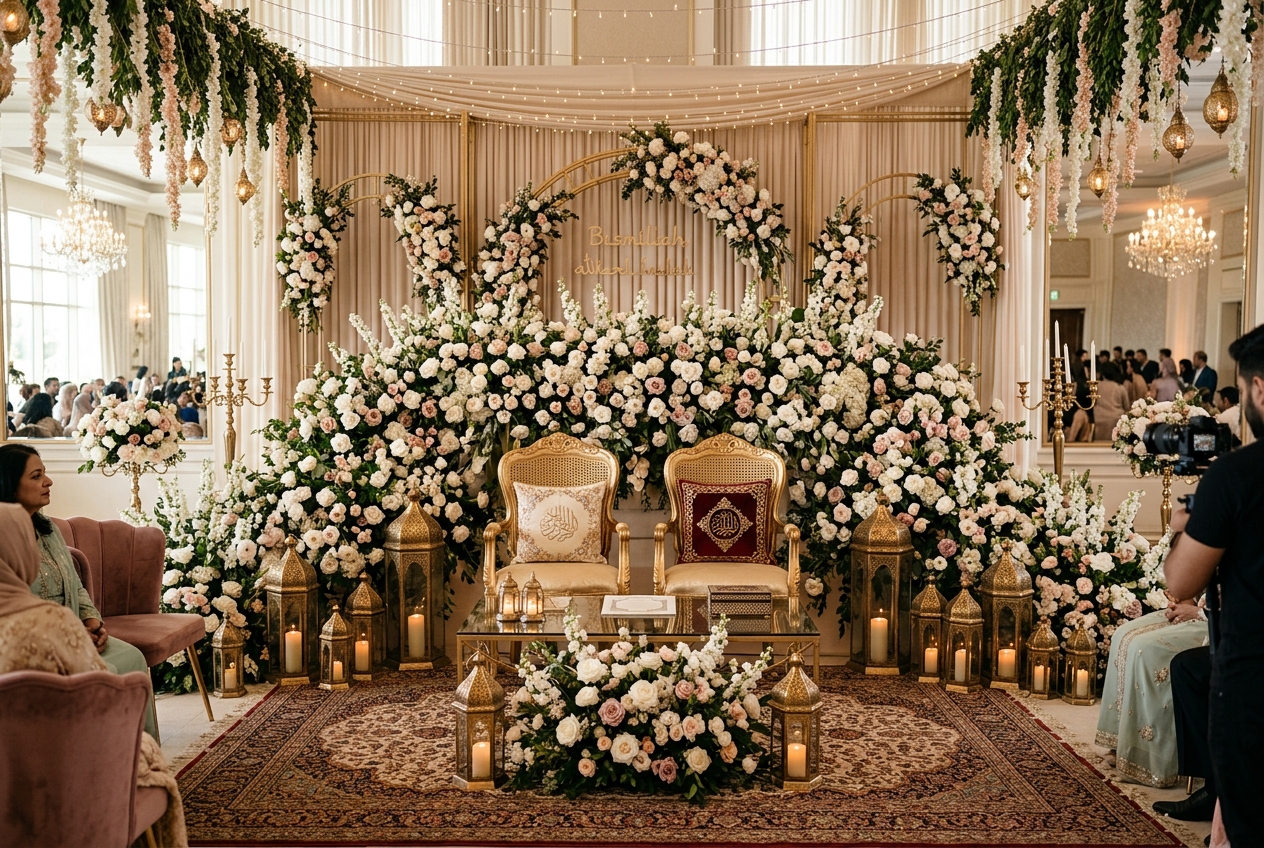
One of the most important decisions for an Islamic wedding reception is the seating arrangement. Depending on the family's level of religious observance and cultural background, couples may choose to have separate seating for men and women. This can be achieved by hosting the event in two different halls or by using a physical partition within a single large room.
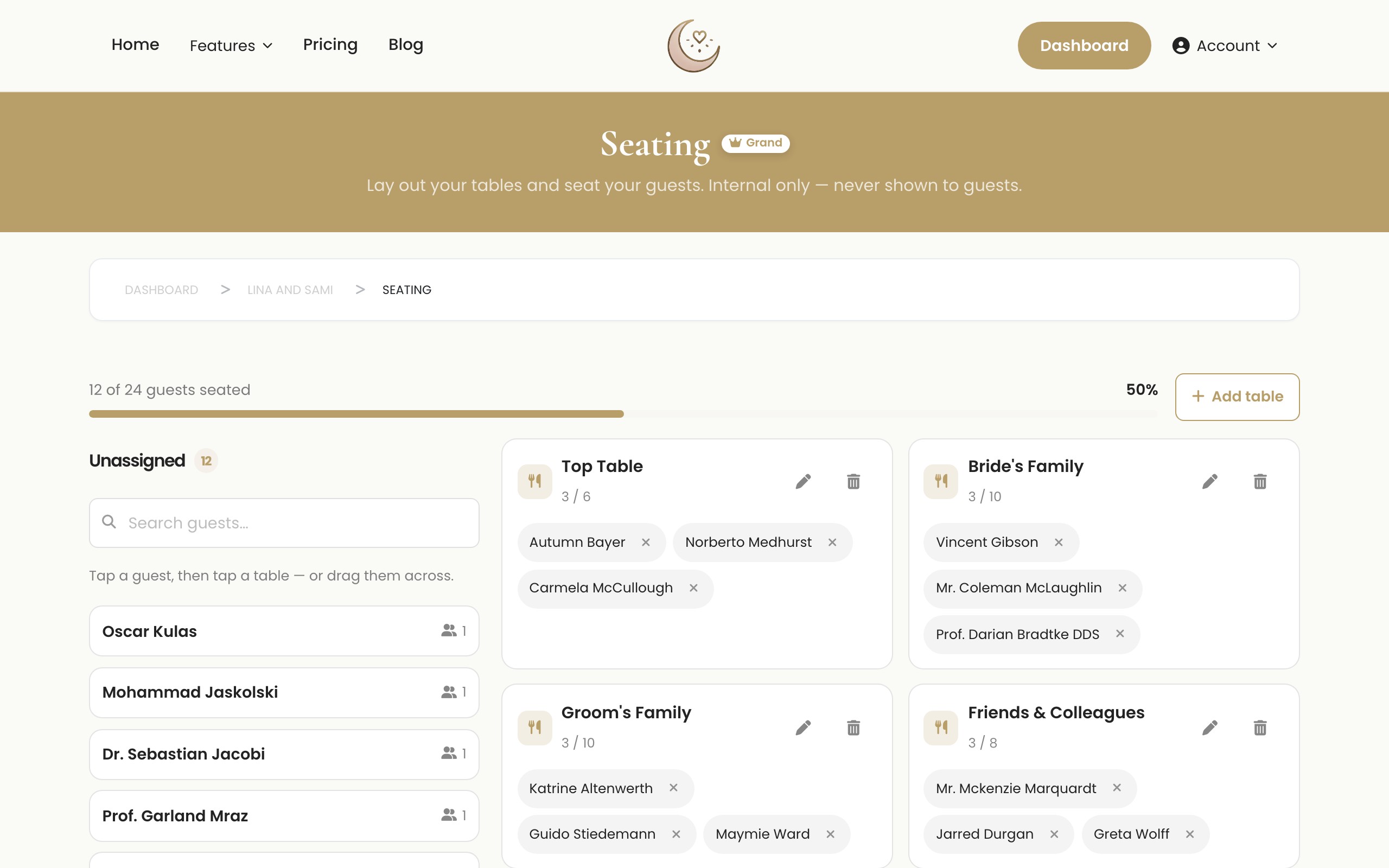
Other families prefer mixed seating, where families and friends sit together regardless of gender. It is crucial to decide on this early in the planning process, as it will impact your choice of venue and how you manage your guest list. Providing clear information about the seating arrangements on your invitations or event website ensures that guests know what to expect and feel comfortable attending. Communication here is vital to prevent any confusion on the day of the event.
Photography, Modesty, and Privacy Rules
Privacy is a significant concern at many Islamic weddings, particularly for female guests who may wish to remove their hijab in a women-only setting. Couples need to establish clear rules regarding photography and videography. If the event is segregated, you may want to hire a female photography team for the women's section to ensure complete comfort for your guests.
It is also becoming common to request that guests refrain from taking photos on their personal devices, or at least avoid posting them on social media without permission. These boundaries help create a relaxed environment where everyone can celebrate freely. Utilizing an event website to clearly state these rules in advance is highly recommended.
When planning a segregated event, ensuring the privacy of female guests requires meticulous attention to detail. This means communicating with the venue staff about who will be entering the women's hall and ensuring that catering or support staff are also female if the guests plan to uncover. You might also want to provide a secure cloakroom where guests can leave their phones before entering the main hall. While some guests may initially find strict phone policies unusual, most will appreciate the effort taken to create a genuinely safe and relaxed environment where they can enjoy the celebration without worrying about their image appearing online.
Menu Selection and Dietary Requirements
Hospitality is a hallmark of Islamic culture, and the wedding feast is a focal point of the celebration. Ensuring that all food served is halal is an absolute requirement, but modern couples also need to account for a variety of other dietary needs, such as vegetarian, vegan, or gluten-free options.
When interviewing caterers, ask specific questions about how they source their halal meat and how they handle cross-contamination in the kitchen. Using a digital RSVP system allows you to collect dietary preferences from each guest well in advance, giving your caterer an accurate count and ensuring that every attendee is well-fed and respected.
Beyond simply serving halal meat, you should also consider the diversity of your guest list when planning the menu. If you are blending two different cultures, the food is a wonderful way to showcase this union. A menu that features traditional dishes from both families not only satisfies appetites but also serves as a beautiful metaphor for the blending of two distinct heritages. Always ensure your caterer provides clear labels for every dish on the buffet line, highlighting common allergens like nuts or dairy, so that guests with specific dietary restrictions can eat with confidence and peace of mind.
Actionable Islamic Wedding Planning Timeline
Planning a wedding is a major project. Breaking the process down into a detailed timeline makes it much more manageable.
Twelve to Nine Months Before
The first step is to sit down with your partner and both sets of parents to discuss the vision for the wedding. Agree on a realistic budget and determine who will be contributing. This is also the time to draft your initial guest list. Since Islamic weddings tend to be large, knowing your approximate guest count will dictate which venues you can consider.
Begin researching and touring venues for both the Nikah and the Walima. Once you have a venue and a date, secure your Imam or officiant. It is also wise to start looking at caterers during this phase, especially if you require specific halal menu options that might be in high demand in your area.
Six to Nine Months Before
With the major vendors secured, you can focus on the details. Begin shopping for your wedding attire. Whether you are looking for a traditional South Asian lehenga, an elegant Arab gown, or a modern modest dress, allow plenty of time for fittings and alterations. Modest wedding wear often requires specialized tailoring, so finding a skilled seamstress early is beneficial.
Discuss the Mahr and finalize the details of the marriage contract. Ensure both families are on the same page to avoid any last-minute stress. Start looking into photographers and videographers, keeping in mind any specific privacy requirements you might have.
Three to Six Months Before
This is the perfect time to set up your digital invitations and event website. Create a central hub where guests can find all the necessary information, from venue addresses to dress codes and privacy rules.
Finalize the menu with your caterer and book any additional rentals you might need, such as decor, lighting, or specific seating arrangements like a stage for the couple. Book your hair and makeup artists, ensuring they are comfortable working with any hijab styling requirements you may have.
One to Three Months Before
Send out your invitations. For an Islamic wedding, bilingual invitations are often necessary to ensure all older relatives can read the details comfortably. Follow up on any outstanding RSVPs and finalize your seating arrangements.
Schedule a final meeting with your Imam to review the flow of the Nikah ceremony. Purchase any gifts for family members or the bridal party. Have your final dress fitting and ensure all accessories are ready.
The Week Of
The final week should be reserved for relaxation and spiritual preparation. Confirm the final head count with your caterer and venue. Prepare the payment for your vendors in envelopes for easy distribution.
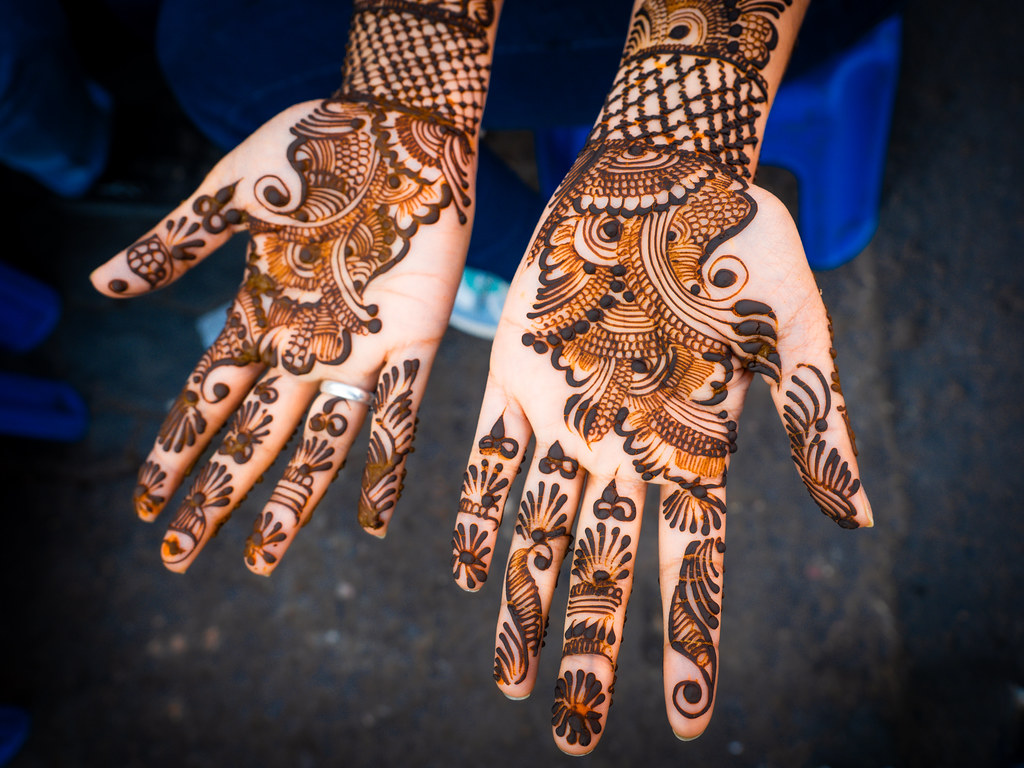
Spend time with your family and enjoy the anticipation of the days ahead. The day before the wedding is often dedicated to henna parties or smaller family gatherings. Remember to breathe and focus on the profound commitment you are about to make. Trust that the planning is complete and allow yourself to enjoy the celebration.
Utilizing Digital Invitations and RSVP Tools
Managing the logistics of a large Islamic wedding is much easier when you use the right tools. Laylaty offers a comprehensive platform tailored to the needs of modern, culturally diverse couples. Our system is built to handle the complexities of large guest lists and bilingual requirements.
We understand that communicating clearly with all your guests is paramount. Laylaty supports nine native languages, including full support for right-to-left (RTL) Arabic text. This means you can design beautiful invitations that speak directly to your grandparents in Arabic, while providing English details for your friends. Your guests will feel respected and informed from the moment they receive your invitation.
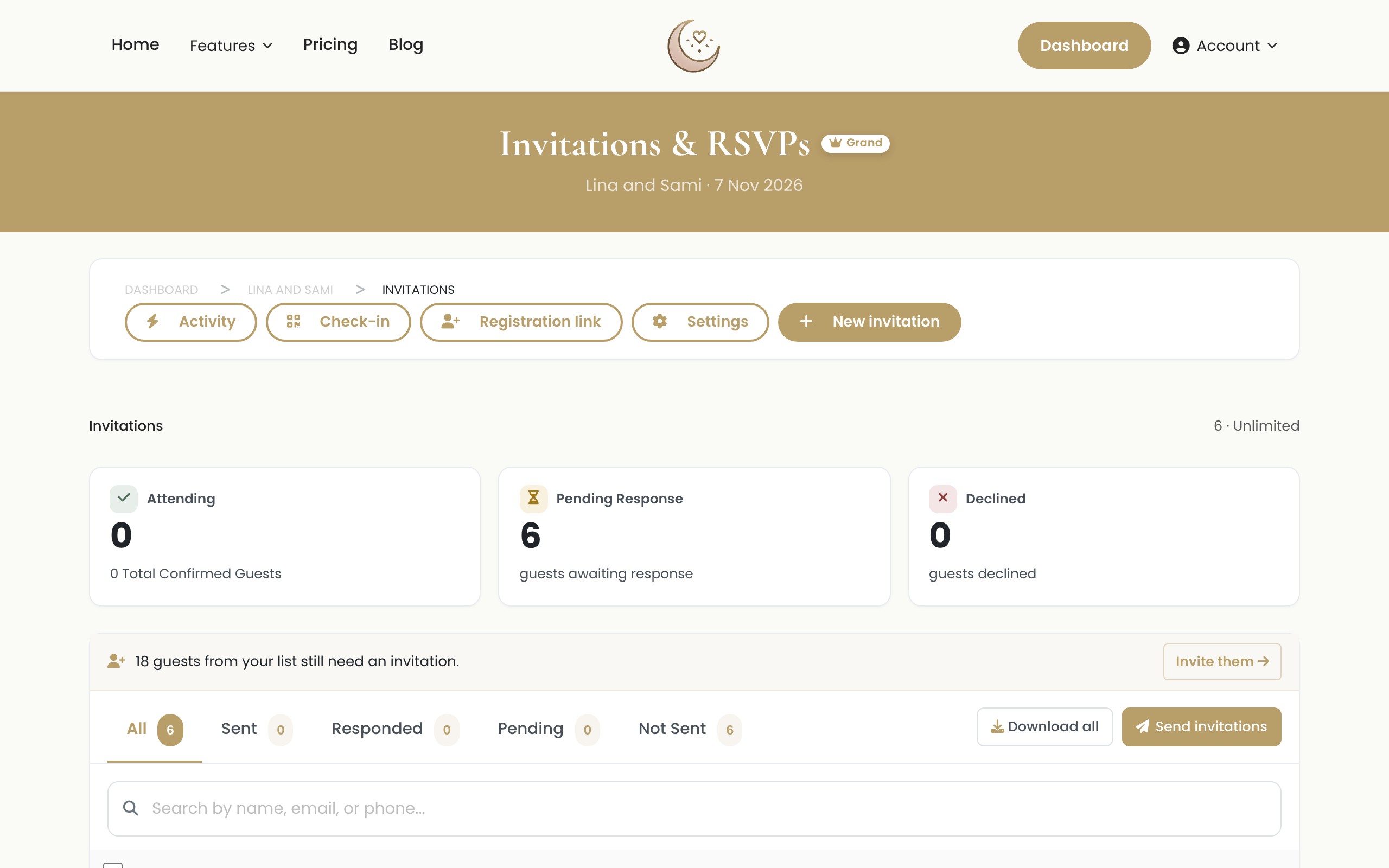
Privacy is often a top priority. Laylaty provides private RSVP links with strict plus-one rules, ensuring that your guest list remains secure and controlled. You can even enable privacy access codes so that only invited individuals can view your event website. Furthermore, our digital RSVP forms allow you to gather dietary menu selections directly from your guests, streamlining your catering coordination.
Laylaty offers flexible plans to suit different wedding sizes and needs. Our Free plan supports up to 40 guests, perfect for a very intimate Nikah. For larger celebrations, the Essential plan is available for 19 EUR and includes 1 GB of storage and a full event website. The Celebration plan, priced at 49 EUR, provides 5 GB of storage. For the most extensive weddings, the Grand plan is 99 EUR and includes 20 GB of storage. Please note that storage is strictly finite across all plans, allowing you to carefully manage your uploaded photos and digital assets. We focus on providing exactly what you need for a beautiful event, which is why we maintain a streamlined feature set and intentionally do not offer gift registry functionality.
Frequently Asked Questions
What is the difference between Nikah and Walima?
The Nikah is the official, religious marriage ceremony where the contract is signed and vows are exchanged. It is the moment the couple is legally and spiritually married. The Walima is the wedding banquet or reception hosted by the groom's family after the Nikah. It is a celebratory feast to announce the marriage to the community.
How do we handle RSVPs for large families?
The best approach is to use a digital RSVP system that allows you to group guests by household. This way, the head of the household can respond for themselves, their spouse, and their children all at once. Private RSVP links with strict plus-one rules prevent unexpected guests and ensure you have an accurate headcount.
Can we have a bilingual invitation?
Yes, absolutely. Bilingual invitations are highly recommended for culturally diverse families. Using a platform like Laylaty allows you to easily incorporate Arabic and English on the same digital invitation, ensuring that all your guests can read the important details clearly.
What next?
- Keep learning: Read our guide on WhatsApp RSVPs vs Private Invitation Links to keep guest communication organized.
- See how it works: Explore our bilingual invitation templates and RTL Arabic layout features.
- Start your event: Create your event on Laylaty and set up your private guest list.